
A Day of Nourishment: Meal Plans to Get Your Necessary Vitamins and Minerals in 24 Hours
We all know that we need to “eat a balanced diet.” But let’s face it—figuring out how to fit all of our nutrients into our meals takes time and brainpower that most of us don’t have. Between errands, bills, chores, and everything else in our days, when can we sit down and plan our macro and micronutrients? And more importantly, how do we plan them? Where do we even begin?
Most of us get caught up in the macronutrients, which include protein, calories, carbohydrates, and fat. While those things certainly matter, you need much more to keep your body running well. The micronutrients—vitamins and minerals—are just as important. And many of us are lacking.
According to Harvard, more than 60% of the world’s population isn’t getting enough of at least one essential micronutrient. And that’s nothing to brush off. If your body isn’t getting enough calcium, folate, iodine, or anything else it requires, you can have immediate or long-term health consequences that can seriously impact your well-being. Vitamins and minerals help support everything from red blood cell production and bone health to immune function, energy metabolism, thyroid function, and the nervous system. Fortunately, our bodies are impressively resilient, and making more nourishing choices each day can help turn things around.
While you don't need to obsess over every nutrient at every meal, the foods you choose throughout the day can make a surprisingly big difference in how much nutritional ground you cover. So we decided to make a practical meal plan to help you get started. We crafted one-day examples for omnivores, vegetarians, and vegans using ordinary, easy-to-find foods. Each plan will give you your general RDAs.
A Quick Note About RDAs
Before we get into the meal plans, there's one important distinction to make. The term RDA, or Recommended Dietary Allowance, refers to the average daily amount of a nutrient considered sufficient to meet the needs of nearly all healthy people in a particular age and sex group. A 25-year-old woman, a pregnant woman, a breastfeeding mother, and a woman in her 60s don't have the same nutritional requirements. In other words, an RDA isn't actually a personalized prescription for you.
Some nutrients also use an Adequate Intake (AI) rather than an RDA when there's not enough evidence to establish an RDA. For this article, we're using the recommended intakes for generally healthy women ages 19–50 as our benchmark.
Your actual nutritional needs can be different depending on your age, activity level, pregnancy or breastfeeding status, health conditions, medications, and other individual factors. So keep that in mind, and always talk to your doctor if you have questions or believe you have any nutrient deficiencies or other nutritional concerns.
1. The Omnivore Day
An omnivorous diet has an advantage because it gives you access to a wide range of nutrient-dense foods.
Seafood, eggs, dairy, meat, fruits, vegetables, legumes, grains, nuts, and seeds can all have a place at the table.
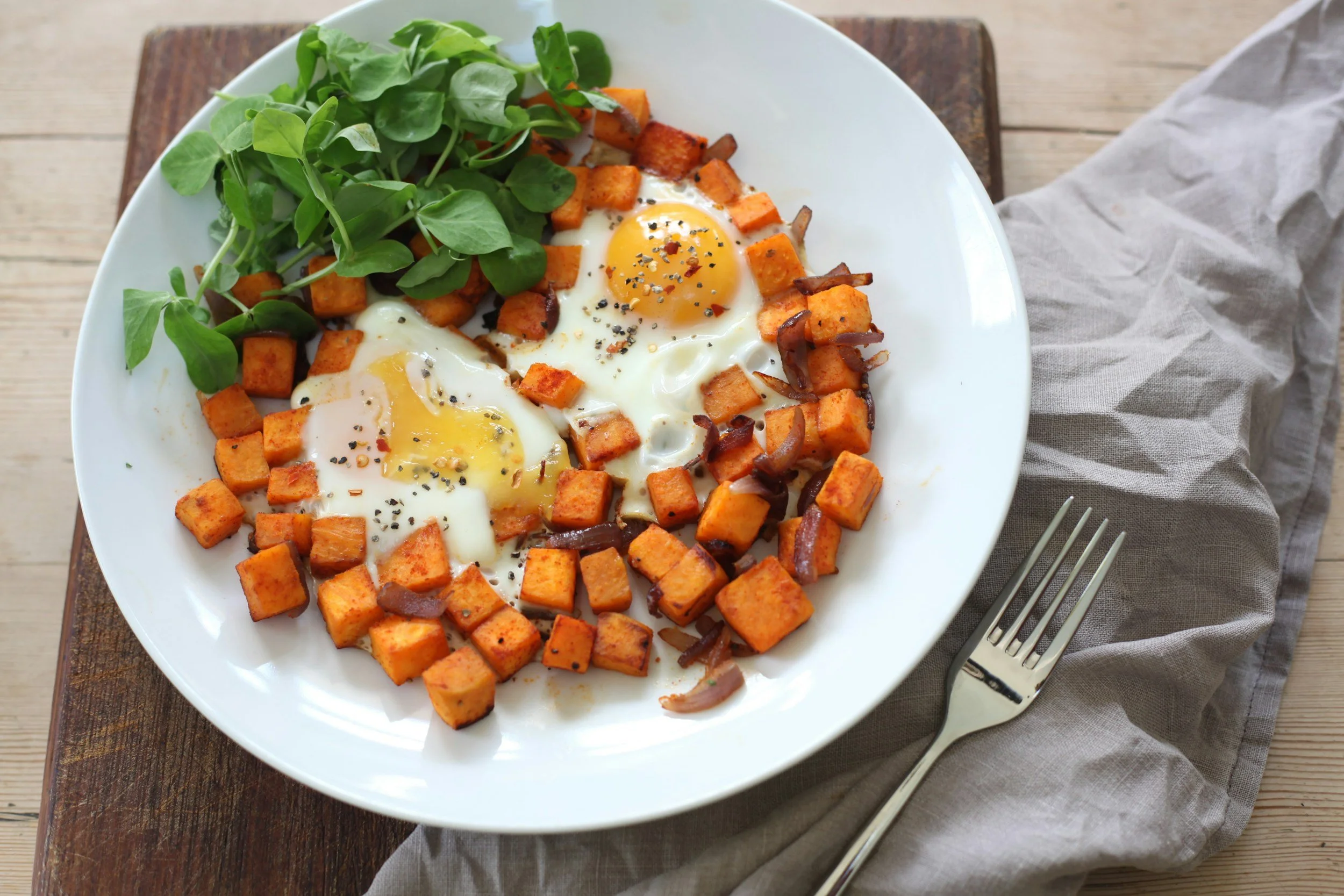
Breakfast: Eggs, Spinach, & Sweet Potato
3 eggs, prepared any way in 1 tablespoon butter
1 cup sautéed spinach
1 medium baked sweet potato
Green tea or water with lemon
This meal offers a great boost of protein, choline, vitamin B12, folate, vitamin K, vitamin A precursors, potassium, and fiber.
Eggs are particularly useful because they're rich in choline, a nutrient involved in cell structure, nerve function, and other important processes. Spinach and sweet potato bring complex carbohydrates, fiber, Vitamin A, Vitamin C, potassium, and more.
Lunch: Salmon & Quinoa Salad
1 can salmon, preferably with bones
2 cups dark leafy greens
½ avocado
½ cup cooked quinoa
2 tablespoons pumpkin seeds
Lemon juice and tahini dressing
Salmon is a nutritional powerhouse, providing protein, vitamin B12, selenium, vitamin D, and long-chain omega-3 fatty acids. When you eat the soft bones, they also provide a significant amount of calcium.
The quinoa, greens, avocado, pumpkin seeds, and tahini add fiber and a broad range of minerals and plant nutrients. And the lemon isn't just there to add flavor. Vitamin C can help increase absorption of non-heme iron found in plant foods.
Snack: Greek Yogurt, Blueberries, & a Brazil Nut
1 cup plain Greek yogurt
½–1 cup blueberries
1 Brazil nut
Greek yogurt contributes protein and calcium, while blueberries add fiber and a variety of beneficial plant compounds.
And then there's the tiny Brazil nut, which is extraordinarily rich in selenium. However, the selenium content can vary substantially from one nut to another. That's why we're intentionally recommending one, rather than treating them like ordinary nuts that you can eat by the handful.
Dinner: Beef, Potato, & Broccoli
5 ounces grass-fed beef or bison
1 large russet potato with skin
1–1½ cups broccoli
Olive oil or butter
Herbs, pepper, and salt
Beef brings highly bioavailable iron, zinc, vitamin B12, and several B vitamins. The potato is an excellent source of potassium, and leaving the skin on adds extra fiber and nutrients (just be sure to scrub them well before cooking). Broccoli contributes vitamin C, folate, vitamin K, and fiber.
And this is what we mean when we say it’s possible to eat a nutrient-dense meal without complicated ingredients. It's meat, potatoes, and broccoli. So simple.
2. The Vegetarian Day
Vegetarians have plenty of opportunities to build an incredibly nutritious diet. But removing meat and seafood means paying a little more attention to nutrients that those foods provide, particularly iron, zinc, vitamin B12, iodine, and omega-3 fatty acids.
Fortunately, there are plenty of ways to compensate through eggs, dairy, legumes, soy foods, nuts, seeds, whole grains, vegetables, and fortified foods.
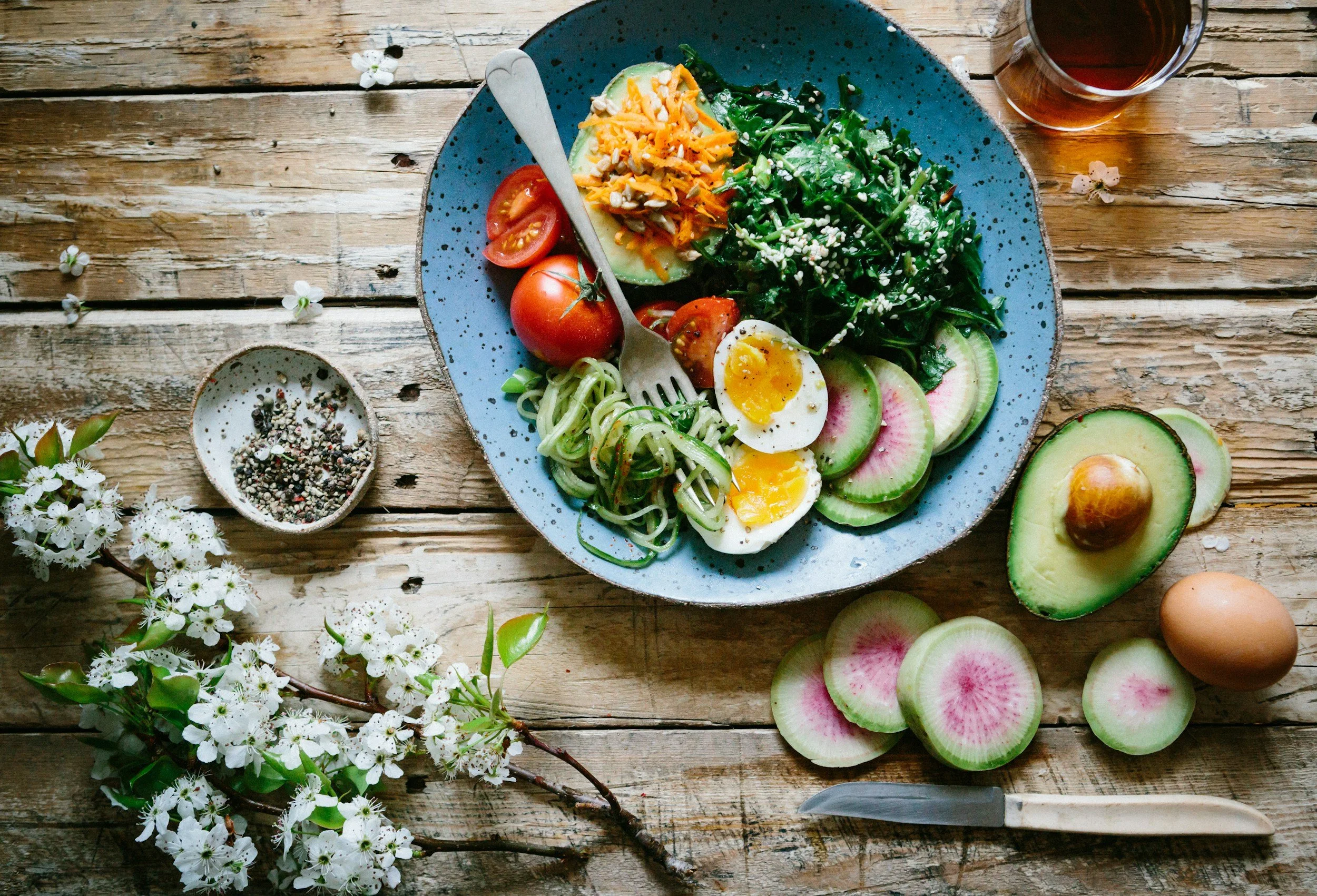
Breakfast: Eggs, Spinach, Feta, & Sweet Potato
3 eggs
1 cup sautéed spinach
1 ounce feta
1 tablespoon butter
1 medium baked sweet potato
Green tea or water with lemon
Eggs and feta provide protein, choline, calcium, and vitamin B12. Spinach adds folate and vitamin K, while sweet potato gives this breakfast potassium, fiber, and beta-carotene.
This is essentially the same nutritional strategy as the omnivore breakfast. It just leans more heavily on eggs and dairy rather than meat or fish later in the day.
Lunch: Chickpea & Quinoa Bowl
1 cup cooked chickpeas
½ cup cooked quinoa
2 cups kale
½ avocado
2 tablespoons pumpkin seeds
Lemon-tahini dressing
This is the vegetarian equivalent of a “power bowl,” but without requiring a dozen expensive ingredients.
Chickpeas provide plant protein, fiber, folate, iron, magnesium, and potassium. Quinoa contributes additional protein and minerals, while pumpkin seeds add magnesium and zinc. Kale and lemon also bring vitamin C to the meal.
Snack: Kefir, Blueberries, Chia & a Brazil Nut
1 cup plain kefir or Greek yogurt
½–1 cup blueberries
1 tablespoon chia seeds
1 Brazil nut
Kefir or yogurt contributes protein, calcium, and—depending on the product—vitamin B12 and iodine. Chia seeds add fiber and plant-based omega-3 fat. And, once again, we're keeping the Brazil nut to one.
Dinner: Tempeh, Potato & Broccoli
5 ounces tempeh
1 large russet potato with skin
1½ cups broccoli
Olive oil or butter/ghee
Lemon and herbs
Tempeh is made from fermented soybeans and adds a giant dose of plant protein and iron, magnesium, manganese, and other nutrients. Pair it with a baked potato and a generous serving of broccoli, and you've got a dinner that's filling without being fussy.
3. The Vegan Day
The vegan meal plan is where thoughtful attention becomes especially important. A well-planned vegan diet is certainly attainable and can provide plenty of protein, fiber, vitamins, and minerals. But some nutrients are more difficult to get without careful planning.
Vitamin B12 is the biggest example. Because naturally occurring B12 is found primarily in animal foods, people following a vegan diet need a reliable source from fortified foods or supplements. Iodine, vitamin D, calcium, zinc, iron, and omega-3 fats also deserve attention.
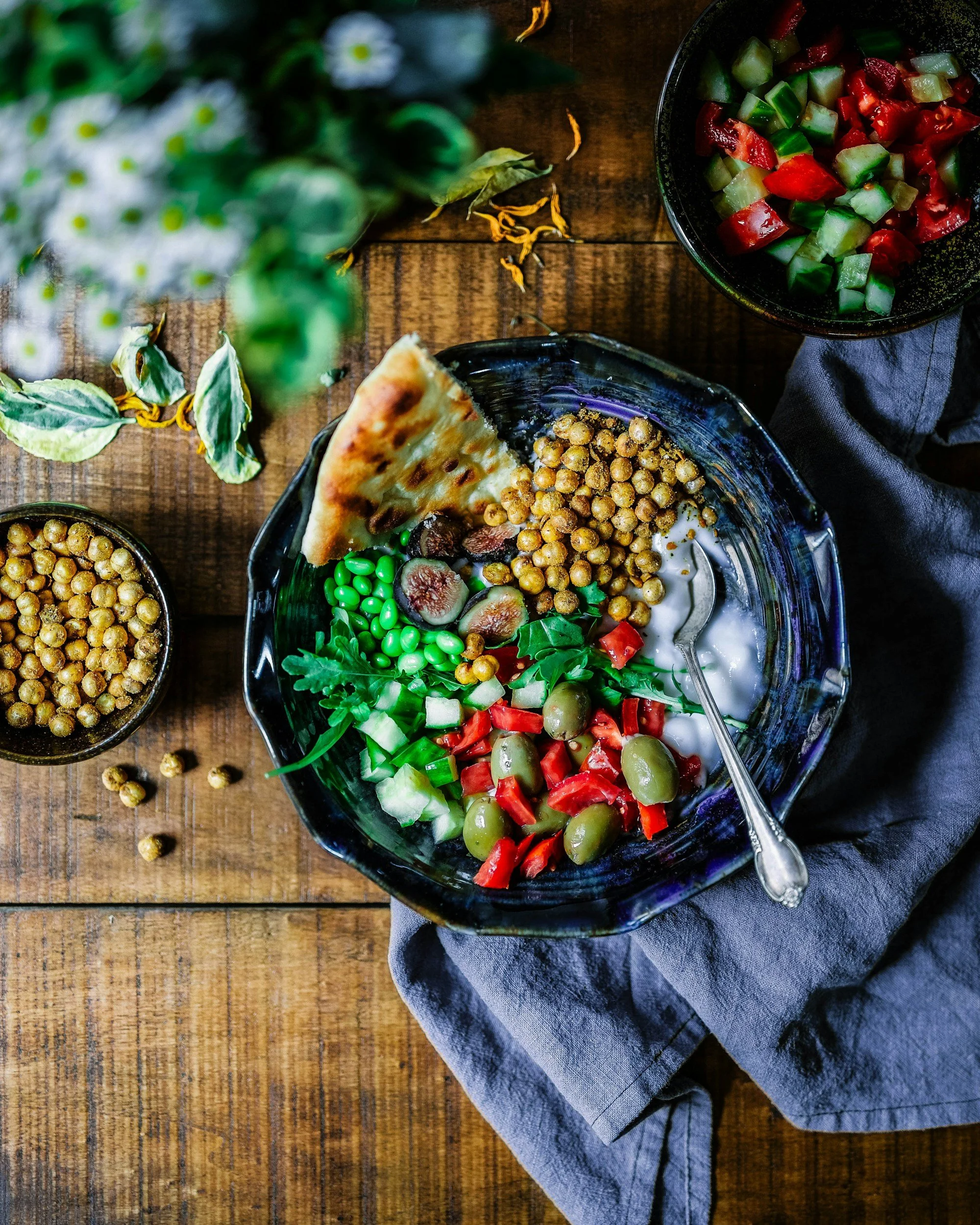
Breakfast: Tofu & Spinach Scramble
6 ounces extra-firm tofu
1 cup spinach
1 tablespoon vitamin B12-fortified nutritional yeast like Bob’s Red Mill—or, if you’re avoiding added folic acid, try this product from Micronutrient
1 tablespoon olive oil
Turmeric, black pepper, and herbs
1 medium baked sweet potato
Green tea or water with lemon
Tofu provides protein, iron, and calcium when calcium-set tofu is used. Spinach contributes folate and vitamin K, while sweet potato brings potassium, fiber, and beta-carotene.
The two nutritional yeast products mentioned in the recipe are included because they’re fortified with vitamin B12. Nutritional yeast isn't automatically a source of B12. Also, fortification varies by brand, so pay attention to the nutrition labels.
Lunch: Lentil & Quinoa Bowl
1 cup cooked lentils
½ cup cooked quinoa
2 cups kale
½ avocado
2 tablespoons pumpkin seeds
1 tablespoon hemp seeds
Lemon-tahini dressing
Lentils are a star of the plant-based diet because they provide protein, fiber, folate, iron, magnesium, and potassium. Adding quinoa, pumpkin seeds, hemp seeds, kale, avocado, and tahini gives you a meal with a remarkably broad nutritional profile.
This is also a great example of why eating a variety of plant foods matters. You don't need one magical superfood. You need a lot of different foods doing their small parts.
Snack: Fortified Plant Yogurt, Blueberries & Chia
1 cup fortified plant-based yogurt
½–1 cup blueberries
1 tablespoon chia seeds
1 Brazil nut
Here, the word fortified matters. Look for a plant-based yogurt that provides meaningful amounts of nutrients such as calcium and vitamin B12. Products vary considerably, so check the label before assuming that every plant-based yogurt has the same nutritional profile.
Dinner: Tempeh, Potato & Broccoli
5 ounces tempeh
1 large russet potato with skin
1½ cups broccoli
Olive oil
Lemon, herbs, and spices
Tempeh gives this meal substantial plant protein and minerals. The potato brings potassium, and broccoli contributes vitamin C, folate, vitamin K, and fiber.
It's simple food, but that's really the point. A nourishing vegan diet doesn't have to be built around elaborate recipes or expensive specialty products.
The Nutrients Worth Paying Extra Attention To
There are a few nutrients that shouldn’t go unnoticed.
Iron
Women of reproductive age have higher iron requirements than adult men, largely because of menstruation. Iron from meat and seafood is heme iron, which is generally more readily absorbed than the non-heme iron found in plants.
HOWEVER, that doesn't mean plant sources don't count. Lentils, beans, tofu, spinach, pumpkin seeds, and other plant foods can contribute meaningful amounts of iron. Pairing them with vitamin C-rich foods can help improve non-heme iron absorption.
Vitamin B12
B12 is relatively straightforward for omnivores and vegetarians who consume eggs and dairy, but it deserves special attention in a vegan diet. Fortified foods and supplements can provide reliable sources.
Iodine
We need Iodine to make thyroid hormones, but it’s easy to overlook when planning a diet.
Dairy and seafood can provide iodine. But people following vegan diets may need to be more intentional about their intake.
And one little misconception is worth clearing up: Sea salt isn't automatically iodized.
If you're relying on salt for iodine, check the label to make sure it is actually iodized.
Selenium
Selenium is a perfect example of why “more” isn't always better. Brazil nuts contain an exceptionally high amount of selenium, but the amount can vary considerably between individual nuts. So one is plenty for the purpose of these meal plans.
A Little Reminder
As we noted earlier, you don’t need to obsess over each meal every day. You just need to make sure you’re making smart choices as often as possible. What matters most is what your diet looks like over time. It’s not always possible to check all the nutritional boxes every day. And that’s okay. The goal is to understand how different foods contribute to your nutritional needs—and then use that knowledge to build meals that are satisfying and genuinely nourishing.
You don't need a perfect diet. You need a diet with enough variety that your body gets plenty of opportunities to get what it needs.