
17 Beauty Hacks We’ve Heard a Hundred Times—Do They Actually Work?
There are certain beauty tips that seem to live forever. Put cucumber slices over your eyes. Rub toothpaste on a pimple. Rinse your hair with rice water. Sleep on a silk pillowcase. Put lemon juice on dark spots.
Some of these hacks have been passed from grandmother to mother to daughter, and we all remember trying a few (maybe you had a headful of mayonnaise as a teenager, too. Yuck). Others appeared on the pages of teen magazines, beauty blogs, and, more recently, TikTok. The sources—including the trusted sources—promised they worked, even though some of them caused damage.
Unfortunately, outdated, useless, and dangerous advice has a way of sticking around. And social media has a way of making wild claims go viral. So the skeptics in us can be hesitant to try something. However, some hacks genuinely work… and work well. The problem is figuring out which beauty hacks are legit without sacrificing your skin and hair health. So we’re here to help.
We researched the popular beauty trends from decades past to find out which ones are worth a try. Some of the answers surprised us.
1. Beer For Voluminous Hair
The claim: Beer gives fine hair volume, body, and shine.
The verdict: There may be a cosmetic effect. But it’s not a miracle hack.
The proteins and carbohydrates in beer can temporarily coat your hair and make it feel fuller or stiffer, which gives it a little extra body. So this isn't the worst beauty experiment ever invented, but a simple volumizing product would likely work as well or better.
We know people who swear by this hack, though. So if you try this, and it works for you, have at it. Just be mindful about how often you’re putting alcohol on your hair because that can dry it out. Maybe just save it for special occasions.
Try It: Shampoo your hair as usual, then pour the beer over your hair, working it gently through the lengths and ends, and let it sit for about 5–10 minutes before rinsing thoroughly with cool or lukewarm water. Follow with conditioner if your hair feels dry. If your hair is already dry or brittle, this may not be the best hack to experiment with. Also, this works best with flat beer, so open a can and let it sit for 12-24 hours before using it.

@timmossholder via Unsplash
2. Toothpaste for a Pimple
The claim: Toothpaste dries out pimples overnight and makes them disappear.
The verdict: This one is a classic… but we can leave it in the past.
Toothpaste contains ingredients designed for your teeth, not your skin. Some formulas contain detergents, flavoring agents, abrasives, or other ingredients that can irritate the skin and cause dryness, redness, and peeling.
Yes, toothpaste can make a pimple look drier. But it doesn’t actually treat it. It will more likely just irritate the skin around it, and irritated skin can leave a dark mark that’ll last much longer than the original breakout.
If you need to calm an angry bump, a gentle spot treatment containing green tea could help. Small clinical studies have found that topical green tea extract may reduce acne lesions.
3. Cold Tea Bags for Under-Eye Puffiness
The claim: Tea bags reduce puffy eyes and dark circles.
The verdict: There's really something to this.
This beauty hack will do wonders when you’re struggling with fatigue. But it only works when you choose a caffeinated tea. Caffeine can temporarily constrict blood vessels, which reduces the appearance of puffiness. And, once again, the cool temperature helps, too.
This beauty hack won't permanently eliminate dark circles. But it can make you look a little more awake in a pinch.
Try it: Steep two caffeinated tea bags, let them cool, then refrigerate them until cold. Place them over closed eyes for about 10 minutes.
4. Lemon Juice for Dark Spots
The claim: Lemon juice naturally fades hyperpigmentation.
The verdict: Please don’t.
Yes, lemons contain vitamin C, which is genuinely great for your skin. But lemon juice doesn’t deliver the nutrients to your skin. It only damages it.
Straight lemon juice is extremely acidic and can irritate skin. Citrus compounds can also cause a reaction called phytophotodermatitis if you use it on your skin before sunlight exposure. The resulting inflammation can actually leave you with more discoloration.
Vitamin C has a place on your beauty shelf. But lemon juice isn’t the way to get it. Invest in a high-quality vitamin C product that’s formulated for your face.

@blcksdz via Unsplash
5. Baking Soda as a Facial Scrub
The claim: Baking soda exfoliates the skin and clears blackheads.
The verdict: Skip it.
Baking soda is one of those ingredients that has dozens of uses. So why wouldn’t it work on your face? It cleans beautifully and has a fine texture that you’d think would offer gentle exfoliation. But baking soda is alkaline, and your skin has an acidic environment. Repeatedly applying it to the face can disrupt that and cause irritation.
The idea that baking soda can “pull out” blackheads is also misleading. Blackheads aren't simply dirt sitting inside pores. Instead, the pores are clogged with oil and dead skin cells that turn dark when exposed to air.
Baking soda has many purposes, but leave it off your skin. If you’re looking for a natural ingredient, A 2007 randomized trial found that a 5% tea tree oil gel improved acne compared with placebo. More recently, a 2026 systematic review of seven clinical studies involving 445 people found a modest reduction in acne severity with topical tea tree oil.
6. Castor Oil for Hair Growth
The claim: Castor oil makes brows, lashes, and your mane locks grow in longer and fuller.
The verdict: There isn’t a lot of evidence, but it’s worth trying.
There isn't evidence that castor oil on its own can stimulate new human hair growth. But it can coat delicate hairs and help reduce dryness and breakage, which makes brows and lashes look healthier and potentially fuller. So there’s no harm in trying this hack.
Castor oil is simple to use. And if you like the way it makes your brows or lashes look and feel, there's no reason to leave it out of your beauty routine—as long as you're careful to keep it out of your eyes and stop if it causes irritation.
Try it: For brows, apply a very small amount of plain castor oil to your eyebrows before bed using a clean spoolie or cotton swab, being careful to keep it out of your eyes. For your scalp, massage a small amount into your roots and leave it on for 30 minutes to a few hours before shampooing. Try it consistently for several weeks and take a photo before you start so you can compare—hair changes are much easier to notice side-by-side. For eyelashes, we'd skip the DIY application and choose a product specifically formulated for the lash area instead.
7. Rubbing Alcohol on Acne
The claim: Rubbing alcohol kills acne-causing bacteria and dries out breakouts.
The verdict: Skip it.
We understand the logic: acne is caused by bacteria and rubbing alcohol kills bacteria. But this is another beauty hack that will cause damage.
Rubbing alcohol, AKA Isopropyl alcohol, can be extremely drying and irritating, particularly when repeatedly applied to already-inflamed skin. It won’t target the blemish. It will just destroy the skin’s natural barrier.
8. Colloidal Oatmeal for Itchy Skin
The claim: An oatmeal bath calms irritated, itchy skin.
The verdict: This age-old remedy has earned its reputation.
Finely milled oatmeal—known as colloidal oatmeal—has long been used in skincare because it can help soothe dry, irritated, and itchy skin. It forms a protective layer over the skin while helping support the skin barrier.
Try it: Add colloidal oatmeal to a lukewarm bath and soak for about 10–15 minutes. Pat skin dry rather than rubbing it, then moisturize while your skin is still slightly damp.

@vijev via unsplash
9. Rice Water for Hair
The claim: Rice water makes hair stronger, shinier, and more resilient.
The verdict: Interesting, but not well supported.
Rice water has a long history of use in hair care, particularly in parts of Asia. Rice water contains starch and other compounds that can temporarily coat the hair, potentially making it feel smoother and easier to detangle. But claims that it dramatically repairs damaged hair or causes hair to grow faster aren't well established.
Depending on your hair type, frequent starch-heavy treatments can leave your locks feeling stiff or lackluster. But if you try this and love the way it makes your hair feel, there’s no reason you can’t use it. Just don’t expect it to completely rebuild damaged strands.
Try It: Cook or soak about ½ cup of uncooked rice in 2 cups of water, then strain the water into a clean container. After shampooing, pour or spray the rice water through your hair, gently massage it into the lengths, and let it sit for about 10–20 minutes before rinsing thoroughly. Start with once a week and see how your hair responds. If your hair feels stiff, dry, or coated afterward, use it less often or stop altogether.
10. Mayonnaise as a Hair Mask
The claim: Mayonnaise restores moisture to dry, damaged hair.
The verdict: Sure, it can condition—but it’s mayonnaise.
Mayonnaise is basically an emulsion of oil and egg, so it's not shocking that it can make your hair temporarily softer and shinier. However, plenty of other ingredients and products will give the same or similar benefits, without the mess.
Try It: If you like the ritual, apply it to the lengths and ends rather than your scalp, leave it on briefly, and shampoo thoroughly afterward. But typical conditioner, plain olive oil, or the next beauty hack will probably give you a better experience.
11. Coconut Oil for Dry Hair
The claim: Coconut oil repairs dry, damaged hair.
The verdict: There is real science behind this.
Coconut oil is unusual among many hair oils because research suggests it can penetrate the hair shaft and reduce protein loss. That doesn't mean it can permanently repair split ends, but it can help reduce some types of damage and leave hair feeling smoother. It also has natural antifungal properties that may balance your scalp’s microbiome and ease or prevent dandruff.
Coconut oil won’t work for everyone because it can weigh down fine hair and make some hair types feel greasy or stiff. So try a little on the ends of your hair before covering your head with it, or you might end up with an oil slick that you can’t shampoo away.
Try It: Warm a small amount of coconut oil between your palms until it melts, then smooth it through the mid-lengths and ends of dry hair, concentrating on dry or damaged areas. For a deeper treatment, leave it on for 30 minutes to a few hours before shampooing thoroughly. If your hair is fine or easily weighed down, start with just a tiny amount and keep it away from the roots. Try it once or twice a week and see how your hair responds.
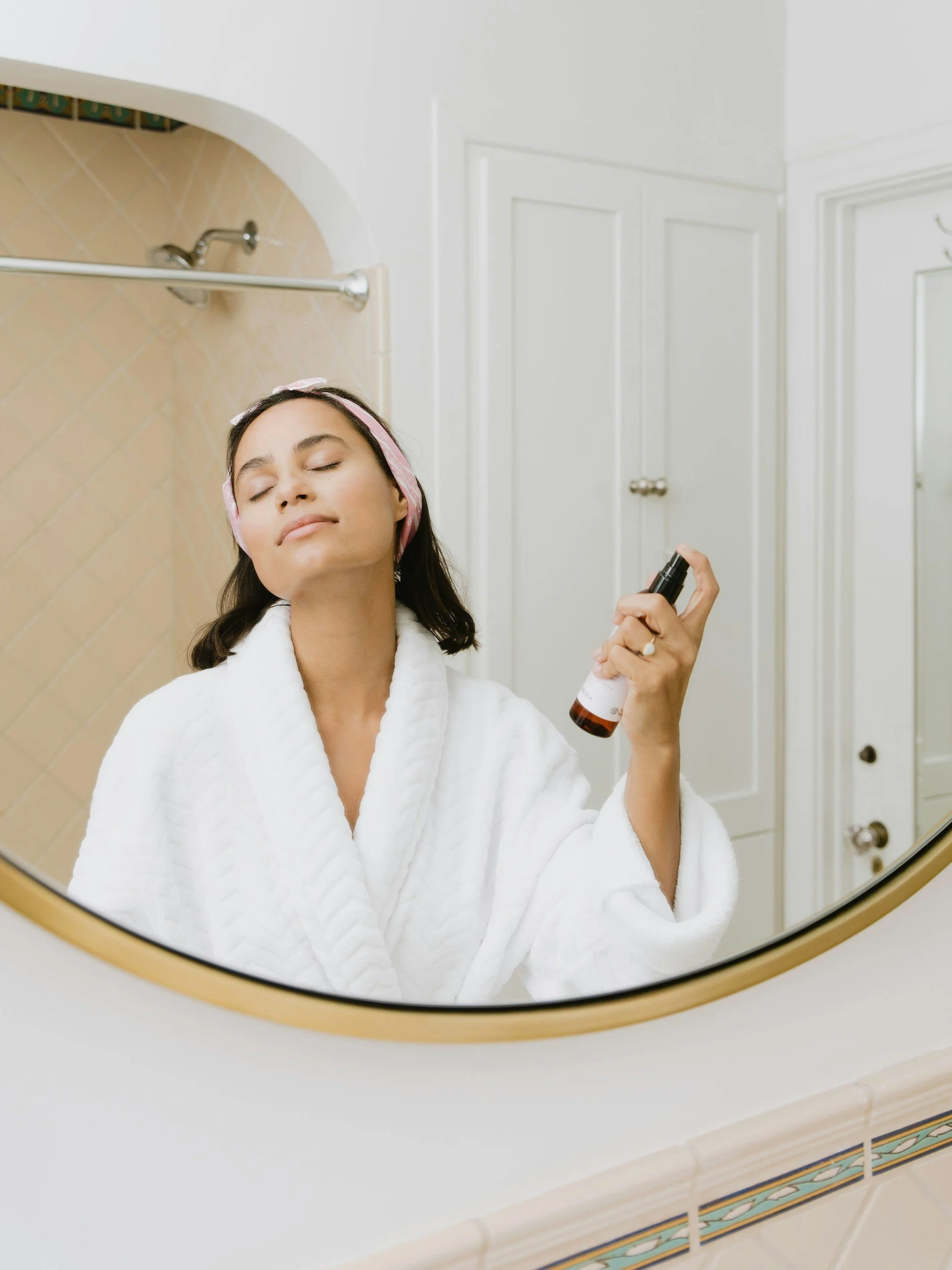
12. Rosewater as a Facial Mist
The claim: Rosewater hydrates and soothes the skin.
The verdict: Pleasant and potentially soothing—but don't expect miracles.
Rosewater has been used in beauty rituals for centuries, and spritzing it on your face can feel and smell like a spa treatment. But it’s not going to work miracles. It can, however, be a nice step to add to your skincare regimen.
Rosewater can provide a light, temporary layer of hydration, and some of its plant compounds may have soothing or antioxidant properties. So it’s a nice step before your serum or moisturizer.
Try It: Choose a simple rosewater or rose hydrosol made for use on the skin, and be sure it doesn’t contain added fragrance or alcohol. After cleansing, lightly mist it over your face or apply it with clean hands, then follow with your usual moisturizer while your skin is still slightly damp. You can also use it throughout the day just to give your skin a refreshing boost. If you're sensitive to botanical ingredients, patch-test first, since even natural fragrance compounds can irritate some skin.
@kalosskin via Unsplash
13. Cucumber Slices for Puffy Eyes and Dark Circles
The claim: Cucumber slices reduce puffiness and dark circles.
The verdict: They definitely help reduce puffiness. And there is promising research that they can do more.
There's a reason cucumber slices have become practically synonymous with spa days. They help make you look more refreshed and relaxed. Cucumbers are mostly water, and chilled cucumber slices provide something simpler and more effective than many complicated skincare ingredients: cold. Cooling the thin, delicate tissue around your eyes can temporarily constrict blood vessels and reduce the appearance of swelling.
The vegetables also contain vitamin C and other plant compounds with antioxidant activity. Laboratory research found that cucumber juice has antioxidant and enzyme-inhibiting properties that could potentially make cucumber-derived ingredients useful in cosmetic formulations. There is even a possible connection to vitamin K, which has been investigated as a topical ingredient for under-eye discoloration.
Of course, there isn’t enough evidence to prove these claims. But there’s no harm in trying them out and seeing how they work for you!
Try it: Chill cucumber slices in the refrigerator and place them over closed eyes for about 10 minutes. There's no need to freeze them. If they’re too cold, they can irritate the fragile skin.14. Egg White for “Shrinking” Pores
14. Egg Whites for Pores
The claim: Egg whites tighten the skin and shrink enlarged pores.
The verdict: It can make your skin feel tighter, but that's it.
As egg white dries, the proteins form a film on the surface of the skin that contracts and makes your skin feel temporarily tighter. That sensation is real.
The claim that it permanently shrinks pores isn't.
There's no reason to put raw egg on your face when plenty of formulated skincare products can create similar temporary effects without the mess—or the food-safety concerns.
15. Sleeping on a Silk or Satin Pillowcase
The claim: Silk and satin pillowcases prevent frizz, breakage, and wrinkles.
The verdict: There's something to it—especially for hair.
Silk and satin pillowcases are much smoother than most cotton fabrics, which reduces friction as you move around during the night. That may mean less tangling and breakage, particularly for curly, textured, or fragile hair.
The wrinkle-prevention claims are much harder to substantiate. But silk pillowcases feel luxurious and help your hair, so why not?

@lookphoto via Unsplash
16. Coconut Oil as Makeup Remover
The claim: Coconut oil removes makeup while moisturizing your skin.
The verdict: It removes makeup, but it's not ideal for everyone.
Oil is very good at breaking down oil-soluble makeup, and it’s a great, gentle way to remove eye makeup. However, coconut oil can be comedogenic for some people, and the oil may cause annoying temporary blurry vision.
This beauty hack works wonders for some people, and if you use coconut oil for other beauty purposes, like hair repair and moisturizing, it may save you some money to find more uses for it. So it’s worth considering.
Try It: Warm a small amount of coconut oil between your fingertips until it melts, then gently massage it over dry skin and eyes. Use a soft, damp washcloth to gently wipe away the makeup, then cleanse your face as usual to remove any remaining oil. If you're prone to clogged pores or breakouts, test it on a small area first.
17. Ice Cures a Pimple
The claim: Ice will make a pimple disappear.
The verdict: It can calm swelling—but it won't cure the breakout.
Ice can temporarily constrict blood vessels and reduce swelling and make an angry, inflamed pimple look less dramatic. It doesn't remove the underlying blockage or prevent future acne, but go ahead and grab an ice cube if you want to ease a glaring blemish.
Try It: Wrap a piece of ice in a clean cloth and briefly hold it against the pimple. Never put ice directly on your skin.